The Role of Probiotics in Gut Health and Immunity
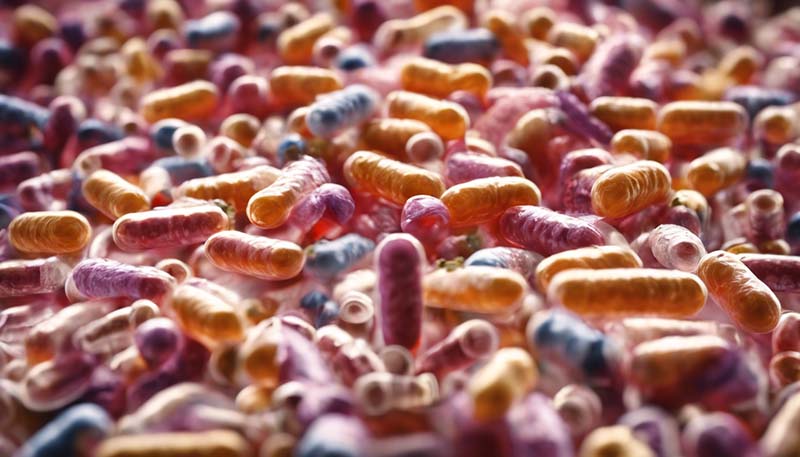
contains about The Role of Probiotics in Gut Health and Immunity,which mainly introduces The Role of Probiotics in Gut Health and ImmunityProbiotics are live microorganisms that, when administered in adequate amounts, confer a health benefit on the host. They are often referred ...
Probiotics are live microorganisms that, when administered in adequate amounts, confer a health benefit on the host. They are often referred to as "good" or "friendly" bacteria and are similar to beneficial microorganisms that are naturally found in the human gut. This article delves into the role of probiotics in maintaining gut health and supporting the immune system.Compete with harmful bacteria for nutrients and space, preventing their growth and colonization. Enhance the gut barrier function, reducing the translocation of pathogens and toxins across the gut lining. Modulate the immune system, promoting anti-inflammatory responses and regulating immune cell activity. Produce short-chain fatty acids (SCFAs), which provide energy for gut cells and have anti-inflammatory properties. Improved digestion: Probiotics can help break down and absorb nutrients, reducing symptoms of indigestion and bloating. Prevention and treatment of diarrhea: They can reduce the duration and severity of diarrhea, particularly in cases of antibiotic-associated diarrhea and infectious diarrhea. Irritable bowel syndrome (IBS) management: Some probiotic strains have been shown to alleviate symptoms of IBS, such as abdominal pain and altered bowel habits. Ulcerative colitis and Crohn's disease: Certain probiotics may help reduce inflammation and maintain remission in individuals with these inflammatory bowel diseases. Enhancing the gut barrier: Probiotics can improve the integrity of the gut lining, preventing the passage of harmful substances and pathogens into the bloodstream. Modulating the immune response: They can influence the production of cytokines, which are signaling molecules that regulate inflammation and immune cell activity. Educating the immune system: Probiotics can help train the immune system to distinguish between harmful pathogens and harmless substances, reducing the likelihood of autoimmune reactions and allergies. Strain specificity: Different strains of probiotics have unique benefits, so choose one that aligns with your health goals. CFUs (colony-forming units): Look for a product that provides an adequate daily dose of live bacteria, typically ranging from 1 to 100 billion CFUs. Viability and shelf life: Choose a product that is guaranteed to maintain its potency until the expiration date. Formulation: Some probiotics are formulated for specific needs, such as for women's health, children, or travelers. A balanced diet: Consume a variety of fruits, vegetables, whole grains, and lean proteins to provide the nutrients necessary for gut health. Prebiotic fibers: Foods rich in prebiotic fibers, such as onions, garlic, and bananas, can help feed and support the growth of beneficial bacteria. Regular exercise: Physical activity can improve gut microbiota composition and enhance immune function. Stress management: Chronic stress can negatively impact gut health, so practice stress-reducing techniques like meditation, yoga, or deep breathing exercises. Avoiding unnecessary antibiotics: Antibiotics can disrupt the gut microbiota, so they should only be used when necessary and under medical supervision.