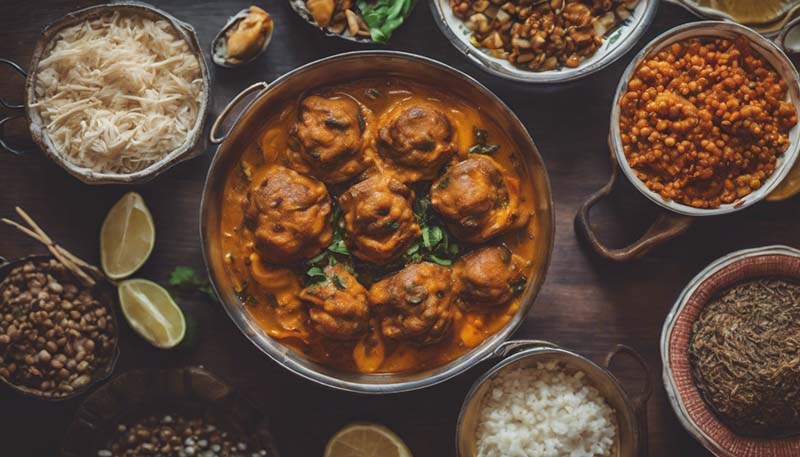
The Authentic Taste of Lebanese Cuisine
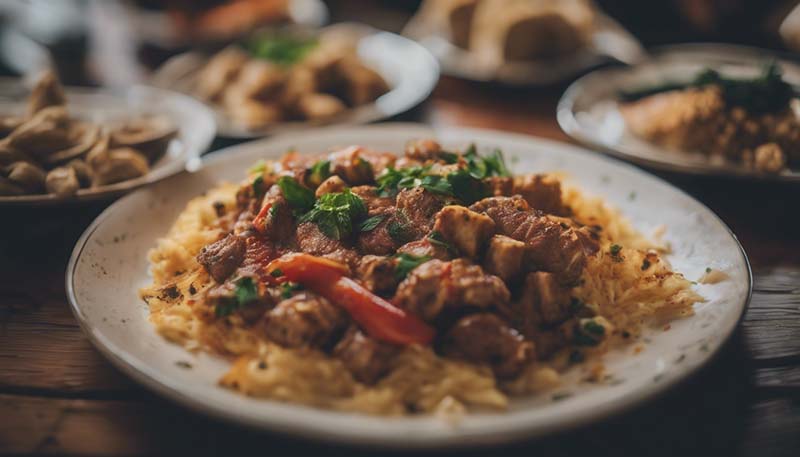
contains about The Authentic Taste of Lebanese Cuisine,which mainly introduces The Authentic Taste of Lebanese CuisineWelcome to a culinary journey through the vibrant flavors and rich traditions of Lebanese cuisine. Known for its fresh ingredients, unique spices, and diverse cu...
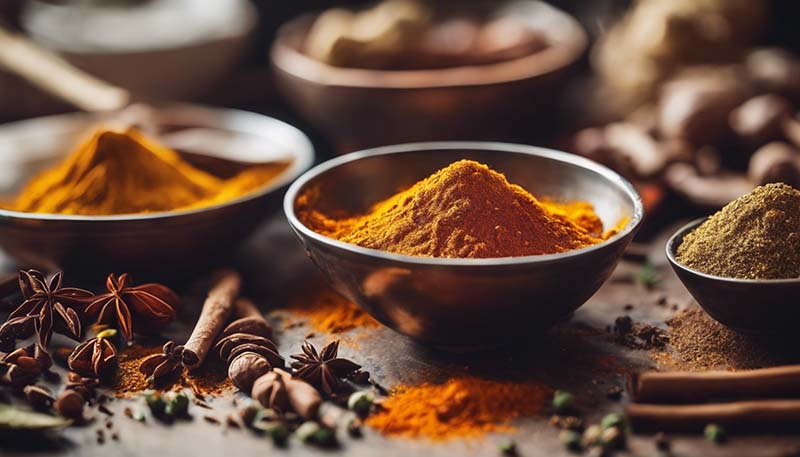
Welcome to a culinary journey through the vibrant flavors and rich traditions of Lebanese cuisine. Known for its fresh ingredients, unique spices, and diverse culinary influences, Lebanese food offers a delightful experience for the senses.Olives: A staple in Lebanese cooking, used for both eating and oil production. Lemons: Used for their acidity and bright flavor in various dishes. Herbs: Mint, parsley, and cilantro are used generously to add freshness and aroma. Spices: Allspice, cinnamon, and sumac are some of the spices that add warmth and depth to the dishes. Meats: Chicken, lamb, and beef are popular choices, often grilled or cooked in stews. Grains: Bulgur wheat and rice are used in many traditional dishes. Kibbe: A dish made from ground meat, bulgur wheat, and various spices, often served with yogurt or tahini sauce. Tabbouleh: A refreshing salad made with finely chopped parsley, tomatoes, bulgur wheat, and mint. Fattoush: A hearty salad with pita bread, fresh vegetables, and a tangy sumac dressing. Baklava: A sweet pastry made from layers of filo dough, nuts, and honey or syrup. Shawarma: Thinly sliced meat, typically chicken or lamb, served in a wrap with vegetables and tahini sauce. Grilling: A popular method for cooking meats, resulting in a smoky and flavorful dish. Roasting: Used for vegetables and meats, often seasoned with a mix of spices and herbs. Stewing: A slow cooking method that allows flavors to meld and intensify. Baking: Used for desserts and some savory dishes, such as manakish (flatbread). Chilling: Many salads and yogurt-based dishes are served cold to highlight their freshness. Sharing: Dishes are usually served family-style, with everyone sharing from the same plates. Eating with Hands: It's common to eat certain dishes, like manakish, with your hands. Respect for the Host: Wait for the host to start eating before you begin, and always express gratitude for the meal. Finishing Your Plate: It's considered polite to finish the food on your plate, as it shows appreciation for the meal.