The Future of Seafood: Sustainable Fishing and Aquaculture
contains about The Future of Seafood: Sustainable Fishing and Aquaculture,which mainly introduces The Future of Seafood: Sustainable Fishing and Aquaculture The global demand for seafood is on the rise, driven by a growing population, increasing awareness of the health be...
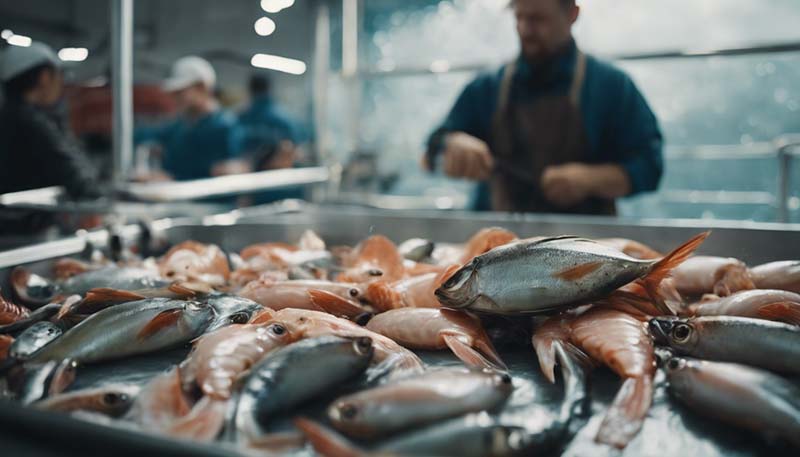
The global demand for seafood is on the rise, driven by a growing population, increasing awareness of the health benefits of seafood, and the expansion of international trade. However, the traditional methods of fishing have led to overfishing and depletion of fish stocks, prompting a shift towards more sustainable practices. This article explores the future of seafood through the lens of sustainable fishing and aquaculture, two approaches that hold the promise of meeting the world's seafood needs without compromising the health of our oceans.Quotas: Setting limits on the number of fish that can be caught to prevent overfishing. Selective Gear: Using fishing gear that reduces the catch of non-target species and sizes, thus reducing bycatch and protecting juvenile fish. Seasonal Closures: Temporarily closing certain areas to fishing during critical breeding and spawning periods. Protected Marine Areas: Establishing no-take zones where fishing is prohibited to allow fish populations to recover and habitats to be restored. Feed and Nutrition: Ensuring that farmed fish are fed sustainable diets to minimize the use of wild fish for fishmeal and fish oil. Disease Control: Managing the risk of disease outbreaks in crowded farm conditions, which can lead to the use of antibiotics and pose a threat to wild fish populations if not managed properly. Escapes and Genetic Interaction: Preventing farmed fish from escaping and interbreeding with wild populations, which can lead to genetic dilution and reduced fitness of wild stocks. Environmental Impact: Minimizing the environmental impact of aquaculture operations, such as controlling the discharge of waste and managing the use of space to avoid habitat destruction. GPS and Monitoring Systems: Allowing for better tracking and management of fishing activities. Selective Fishing Gear: Reducing bycatch and improving the selectivity of fish caught. Recirculating Aquaculture Systems (RAS): Reducing the environmental impact of fish farming by reusing water and minimizing waste. Genetic Research: Improving the understanding of fish genetics to develop strains that are more resistant to disease and better suited to farming conditions. Policy and Regulation: Governments must implement and enforce sustainable fishing policies and support the development of sustainable aquaculture practices. Consumer Awareness: Consumers play a vital role in driving demand for sustainably sourced seafood. Education and transparency in labeling can empower consumers to make informed choices. Investment and Innovation: Investment in research and development is essential for the advancement of sustainable fishing and aquaculture technologies. Collaboration: Collaboration between scientists, industry, governments, and NGOs is key to developing and implementing effective strategies for sustainable seafood production.